Free consultation · 15 minutes, no commitment, no intake forms. Reach Out →
Reach Out →
Trauma Therapy therapy session space
Trauma Therapy

Trauma Therapy
in Palo Alto

The past lives in the body.

Careful, body-aware trauma work that builds safety first — and revisits what was painful only when you're ready.

How I Work ↓
Free 15-min consult In-person Palo Alto Telehealth statewide

"Nothing ever goes away until it teaches us what we need to know."

— Pema Chödrön

Does this sound familiar?

Trauma doesn't announce itself. It shows up sideways.

The approach

Safety first. Always.

Trauma is not stored in narrative. It is stored in the body — in patterns of activation and shutdown, in the reflexive tightening or withdrawal that happens before the mind has a chance to intervene. This is why talk therapy alone, if it moves too fast toward the painful material, often does not help and can occasionally make things worse. My trauma approach is informed by polyvagal theory, somatic and body-aware methods, and depth psychology. I do not move toward painful material until the therapeutic relationship is established and your system has developed the capacity to work with what arises.

Polyvagal & Somatic

Working directly with nervous system states — not just talking about them. Learning to recognize and regulate activation before moving toward difficult material.

Parts Work & IFS-Informed

Understanding the protective parts that organized around the trauma — and building relationships with them rather than trying to override them.

Depth Psychology

The traumatic experience carries meaning. Understanding that meaning is part of integration.

What becomes possible

What becomes possible when trauma integrates

The past becomes the past

Memories and triggers lose their grip as the nervous system recognizes they are no longer happening. The present becomes available in a way it wasn't before.

Relationships deepen

Much of what blocks intimacy is trauma-organized. As that material integrates, the capacity for genuine contact with others often increases.

The body settles

Chronic tension, hypervigilance, and the exhaustion of running a constant threat-detection program gradually resolve.

Choice returns

The reflexive responses that felt involuntary begin to have a pause — a space in which something different becomes possible.

How it starts

A low-pressure first step.

01
Free 15-min consultation

A real conversation — not a form, not a questionnaire. No commitment required.

02
First session

An unhurried intake. Your history, what brings you here, how you make sense of things.

03
Ongoing weekly work

Regular 50-minute sessions. In-person in Palo Alto or telehealth throughout California.

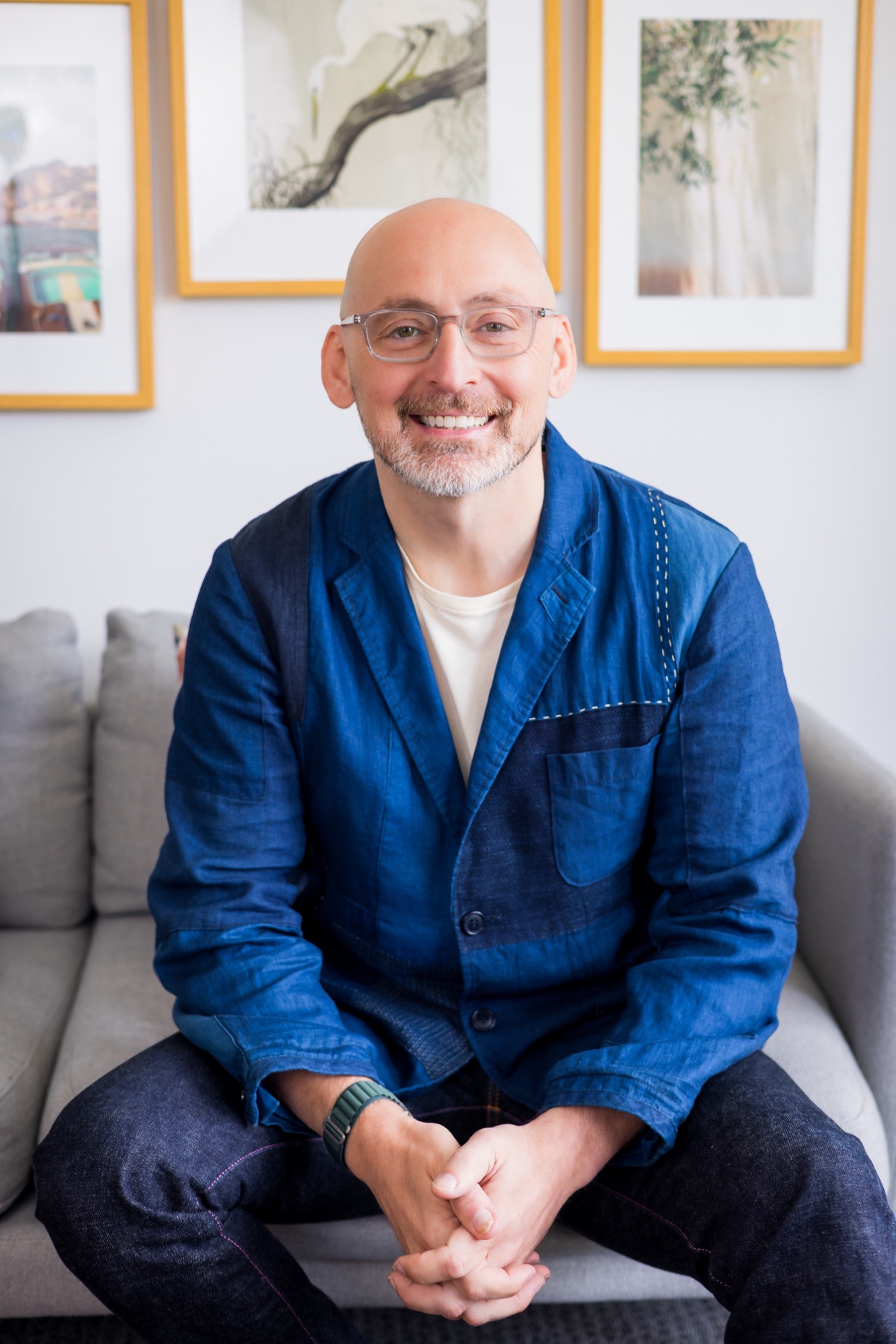
Shawn Walters, therapist
Shawn Walters, Registered AMFT

A Good Place Therapy · Palo Alto · Supervised by Christina Miller-Martinez, LMFT #105663

My training at CIIS, combined with Gestalt and somatic approaches, gives me a framework for depth-oriented work that goes beneath insight — to what is actually organizing the pattern.

Full biography →
Other areas of focus
Anxiety Grief & Loss Relationships Men's Issues Individual Therapy
Before you reach out

Common questions

Do I have to talk about what happened?

No. Depth-oriented trauma work can proceed without detailed narration of traumatic events. Often, working with the body and the present-moment experience is more useful than reconstructing the story.

I've tried trauma therapy before and it didn't help. Why would this be different?

Trauma therapy that moves too quickly toward the material often activates the nervous system without resolving it. My approach prioritizes building the relational and somatic foundation first. Slower is often more effective.

Is this EMDR or Somatic Experiencing?

My approach is informed by somatic and body-aware methods but is primarily relational and depth-oriented. I'm not formally trained in EMDR or SE as standalone modalities.

Do you take insurance?

Yes — in-network with. Superbills available for other PPO plans.

What if I dissociate or get overwhelmed in session?

Working with dissociation and overwhelm is part of the work — we develop tools for orienting and grounding, and we move at whatever pace your system allows.

Trauma Therapy

The body remembers.
It can also release.

A free 15-minute consultation is a good first step — slow, low-pressure, no expectation.

Start a Conversation